

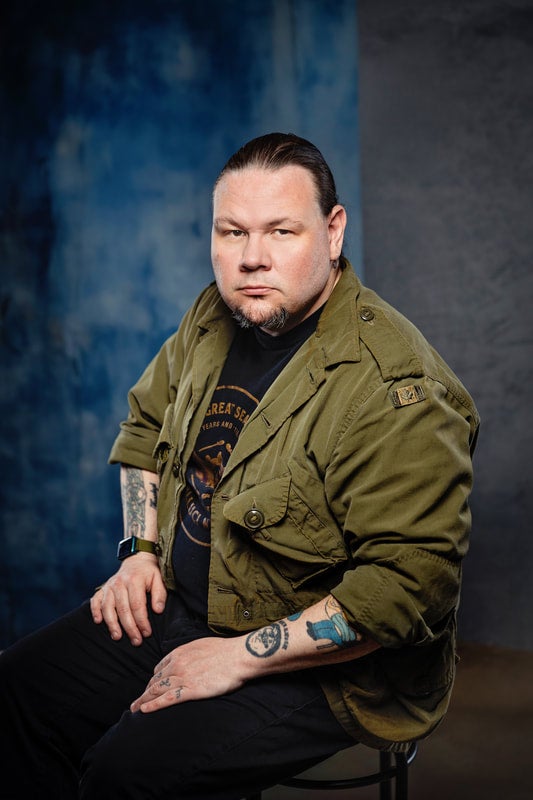
For John Brady McDonald, residential school denialism is about more than getting the history wrong.
It is erasure.
John is a member of CUPE 4195 in Saskatchewan and serves on CUPE’s National Indigenous Council and the Saskatchewan Indigenous Council. He is also a residential school Survivor.
“Residential school denialism is hurtful and a form of propaganda,” John says. “When Survivors have spent decades telling the truth about what happened to us, questioning or minimizing that history can amount to accusing us of lying.”
Stephanie Scott, the executive director of the National Centre for Truth and Reconciliation, shares this concern. “Truth-telling is at the heart of reconciliation,” she says. “Challenging misinformation and denial about residential schools is critical to honouring Survivors, protecting the historical record, and ensuring that Canadians understand the lasting harms caused by these institutions.”
That need to protect the truth has become increasingly important as misinformation about residential schools continues to circulate.
“People meant well”
Residential school denialism doesn’t always mean claiming that residential schools never existed. It can also mean minimizing or distorting their purpose and impact. It can show up in statements such as:
“Not everyone had a bad experience.”
“People meant well at the time.”
“We shouldn’t judge the past by today’s standards.”
“Canada already apologized. Isn’t it time to move on?”
For more than a century, Indigenous children were separated from their families and communities and placed in residential schools. The system separated children from their cultures, and purposefully instilled shame, punishing them for speaking their languages and following their customs. The Truth and Reconciliation Commission concluded that residential schools were “a systematic, government-sponsored attempt to destroy Aboriginal cultures and languages and to assimilate Aboriginal peoples so that they no longer existed as distinct peoples.” The commission characterized this intent as “cultural genocide.”
Individual experiences at residential schools varied, but that does not change the purpose of the system or the widespread harms it caused.
The impacts did not disappear when the schools closed.
“For my family, this isn’t distant history,” John says. “My children are the first generation in my family to know life outside of the residential school system.”
That puts the timeline into perspective. Residential schools aren’t something that happened centuries ago. John lived at the Prince Albert Indian Student Residence from 1984 to 1989. Survivors are our family members, co-workers, fellow union members and community members.
An apology is just the beginning
On June 11, 2008, Prime Minister Stephen Harper delivered a formal apology in the House of Commons on behalf of the Government of Canada to former students of Indian Residential Schools.
The government acknowledged that the policy of assimilation was wrong and had caused great harm.
For John, the apology also brought a personal realization. He says he hadn’t fully understood until then how much of his residential school experience he had internalized.
But acknowledgment was only the first step.
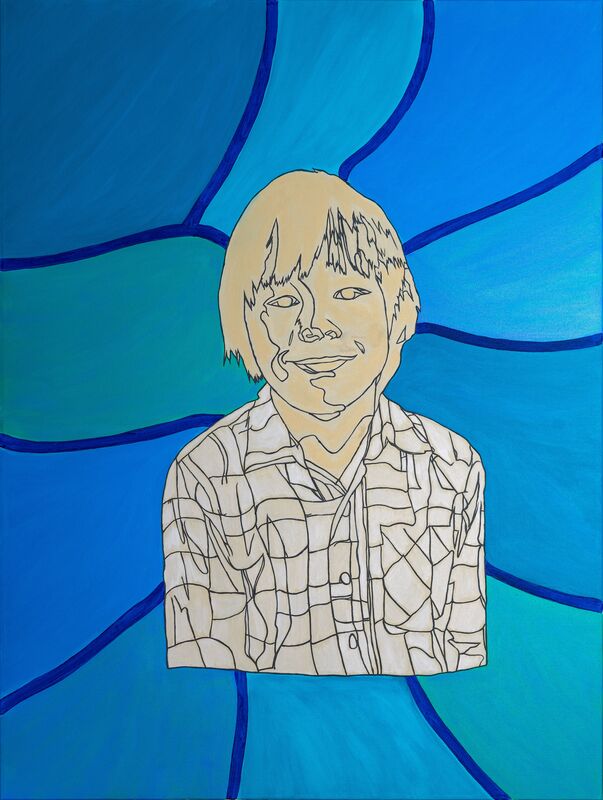
There is no quick fix for the harms caused by the residential school system. Healing will take generations, and acknowledging what happened is a crucial part of that process.
This is why denialism is harmful. Survivors fought for decades to have their experiences acknowledged. When that history is minimized or distorted, they can once again find themselves having to defend the truth of what happened.
Protecting the historical record is part of that truth-telling. The National Centre for Truth and Reconciliation preserves the records and Survivor testimony gathered through the Truth and Reconciliation Commission so that these experiences and this history are not lost.
What can unions do?
Unions have an important role to play, John says.
Unions have something individual workers don’t always have on their own: a collective voice. We can use that voice to advocate, to speak out and to amplify Indigenous voices.
John also raises a difficult reality about who is expected to challenge racism and misinformation.
“As Indigenous people, we do not have the luxury of anger,” he says.
Indigenous people who speak forcefully about racism or injustice can themselves be judged for how they respond. It should not always fall to Indigenous members to challenge residential school denialism or to educate others about what happened.
Unions have the power of speaking collectively. That comes with a responsibility to use that voice.
For CUPE members, that doesn’t have to mean having every fact or knowing exactly what to say.
It can mean being willing to have a difficult conversation.
It can mean asking why someone is trying to erase another person’s past.
It can mean listening to Survivors instead of debating their experiences.
It can mean learning from Indigenous members and Indigenous councils within our union.
And it can mean speaking up so that an Indigenous member isn’t always the person expected to do it.
Allyship isn’t about speaking for Indigenous people. It is about listening, supporting and using the voice and platform we have to amplify Indigenous voices.
Truth before reconciliation
John speaks about healing as something that will take generations. He also speaks about what it takes for Survivors to continue sharing their stories.
“It takes a lot of medicine to stay healthy,” he says.
That is something worth thinking about when Survivors are repeatedly asked to tell their stories and defend a history they lived through.
John continues to speak because there are people who are no longer here to tell their stories, and others who aren’t able to.
But Survivors shouldn’t have to carry the responsibility for protecting this history alone.
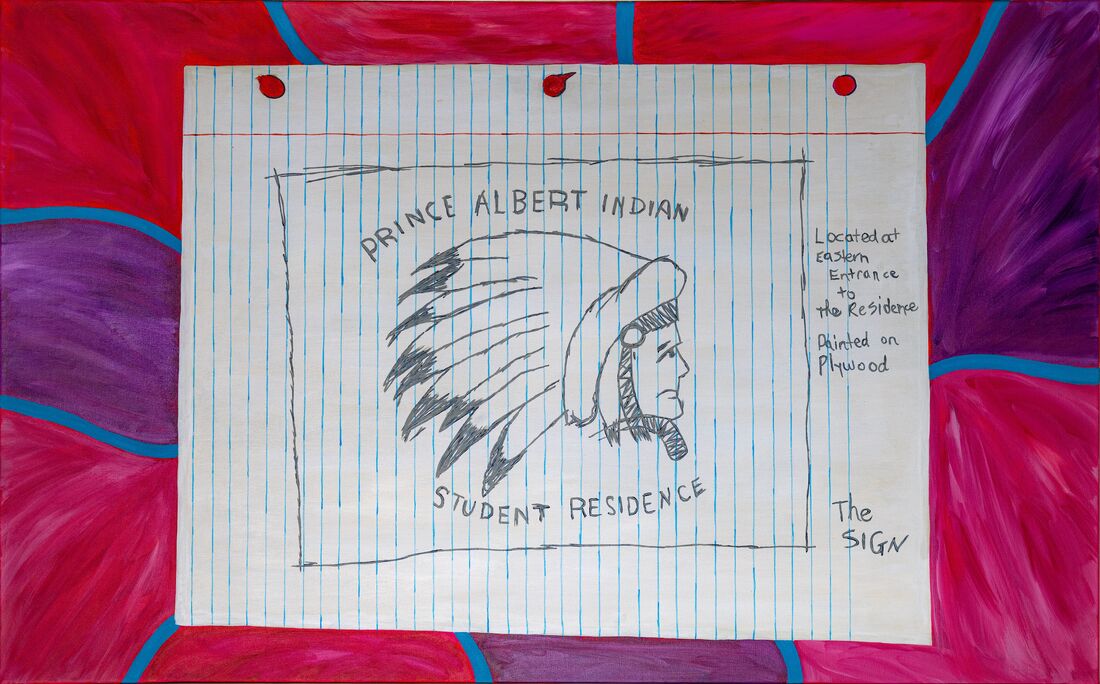
CUPE members can learn the history. We can listen to Survivors. We can challenge misinformation when we hear it. And as a union, we can use our collective voice to support Indigenous members and communities when they speak the truth.
John puts it simply, “Let’s keep focused more on speaking the truth, and then we can get to reconciliation.”
If you would like to see art and writing by John Brady McDonald, visit https://artbyjohnmcdonald.weebly.com/
Learn more and find support
Learn more about the history and legacy of residential schools through the National Centre for Truth and Reconciliation. https://nctr.ca/
Support for Survivors and families
Conversations about residential schools and their ongoing impacts can be difficult. Support is available for Survivors, their families and others affected by the residential school system.
Indian Residential School Survivor Support Line
1-866-925-4419
Available 24 hours a day, seven days a week to former residential school students and their families.
Hope for Wellness Helpline
1-855-242-3310
Immediate, culturally competent support and crisis intervention for Indigenous people across Canada, available 24 hours a day, seven days a week. Online chat is also available through the Hope for Wellness website.
Indian Residential School Survivors Society
Lamathut Crisis Line: 1-800-721-0066
Indigenous-led, culturally grounded emotional and crisis support for residential school Survivors, families and Indigenous communities.
Note: CUPE uses the Canadian Press Style Guide for its publications. For this article, we are following the principles set out in Elements of Indigenous Style. One of those principles is that when there is disagreement between the Canadian Press and Indigenous style, defer to Indigenous style. Survivor is capitalized throughout this story as a sign of respect and recognition for those who lived the experiences of Canada’s residential school system.


