
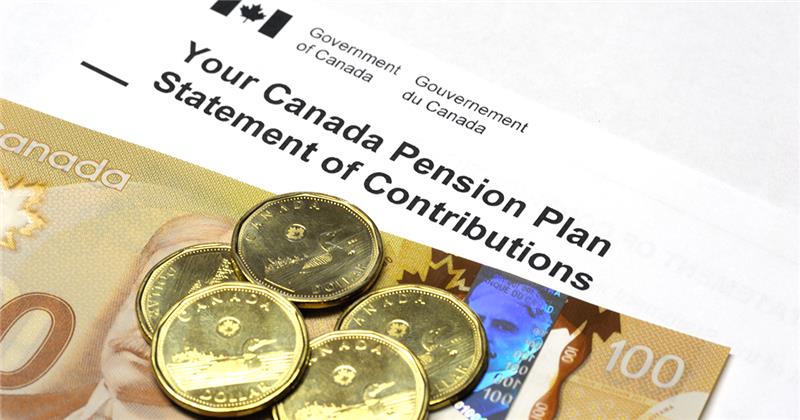
The federal government’s Spring Economic Update announced that Canada Pension Plan base contribution rates will drop from 9.9% (split between workers and employers) to 9.5% starting in 2027. They estimate this will mean a savings of about $133 per year for a worker making $70,000.
CPP contribution rates are set by legislation and can only be changed with the support of the federal government and two-thirds of the Canadian provinces representing two-thirds of the population. These base rates have not changed since 2003 following a major reform of CPP funding.
What does this mean for CPP?
Canada’s public pension plan is in good shape financially. Federal actuaries’ 2024 report showed the expected cost of CPP is 9.19%—below the proposed new 9.5% rate. The government therefore believes the new 9.5% rate would “maintain a prudent financial buffer.”
However, CUPE’s concern is that for at least two decades prior to the 2024 report, the actuaries reported the minimum base rate needed to sustain the CPP was higher than 9.5%. CPP costs are affected by many economic factors and assumptions, including investment returns.
The 2020s have reminded us that the world is difficult to predict. Significant economic uncertainties remain with respect to climate change, war and political unrest. Federal actuaries have identified risks that could lead CPP costs to exceed the newly agreed upon rate of 9.5%. These risks were not discussed in the Spring Economic Update.
What does this mean for workers and retirees?
If the costs of the Canada Pension Plan increase higher than the agreed-upon contribution rates, it could mean that retirees won’t get inflation adjustments to their pension benefit, based on CPP rules.
CUPE believes this rate reduction could be premature. Employers, including governments, will no doubt appreciate the small cost reduction. Workers will save a small amount now, but retirees will face an increased risk of frozen CPP benefits going forward. Reaching a federal-provincial agreement to lower rates is one thing. But an agreement to increase rates in the future will likely be much more difficult.
The Canada Pension Plan is an incredibly important part of our retirement income system. Any changes to the plan should be made extremely carefully. While it is true the new rate remains above the current cost of CPP base benefits, CUPE cautions that this change poses new risks that have not been adequately explained by the government.


